

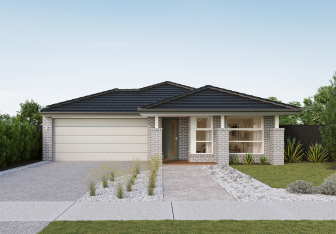
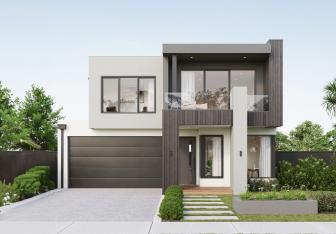
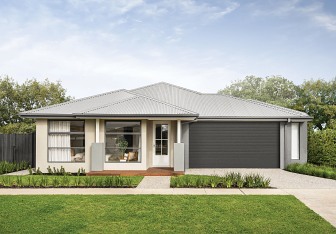
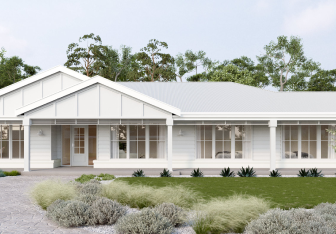
Why Inspecting Display Houses in Person Verifies Structural Integrity & 7-Star Energy Standards

For today's home buyers, choosing a new home involves much more than finding an attractive facade or a floorplan that suits the family. Quality-focused and eco-conscious buyers increasingly want to understand how a home's floorplan and overall design work together to support comfort, functionality and long-term energy efficiency. From room placement and natural light to ventilation and living spaces, a well-considered floorplan can influence how a home performs and feels every day.
This is where visiting display homes in person gives you something no brochure can. Online floorplans and photos show you the appearance of a property, but they can't demonstrate how a home feels when you walk through it. An in-person walkthrough lets you walk through the floorplan and experience the temperature, natural light, acoustics, ventilation and overall functionality of the design. It also gives you the chance to ask detailed questions about insulation, glazing, solar PV, orientation, inclusions and construction quality.
Victoria's energy-efficiency requirements make this especially important. New homes here need to meet the minimum 7-star NatHERS standard under the current National Construction Code, alongside whole-of-home energy requirements. But what does a 7-star home actually mean for the person living in it?
What Makes a New Display Home 7-Star Energy Efficient in Victoria?
A 7-star rating doesn't come from a single product or feature, it's the result of multiple elements working together to improve a home's thermal performance and reduce the energy needed to maintain comfortable indoor temperatures.
When inspecting a new home, look for and ask about:
- A minimum 7-star NatHERS energy rating
- Effective ceiling, wall and floor insulation
- High-performance glazing, including double-glazed windows where specified
- Appropriate orientation and window placement
- External shading and eaves
- A well-designed building envelope
- Efficient heating and cooling systems
- Efficient hot water systems and appliances
- Rooftop solar PV where included
- Ventilation and natural airflow opportunities
Sustainability Victoria explains that NatHERS assesses the energy required to heat and cool a home's building envelope, including its roof, walls, floor and windows. A higher rating generally means the home needs less energy to maintain comfortable temperatures, and a display-home visit is where you connect those technical specifications to the actual experience of being inside the home.
1. Experience Thermal Comfort Instead of Simply Reading About It
Thermal comfort is one of the easiest things to overlook when researching homes online. A floorplan shows the position of windows, doors and living areas, but it can't tell you how the space feels on a warm afternoon or how effectively the design manages heat entering through the windows.
When you visit, take time to notice the temperature as you move between rooms. Does the living area feel comfortable? Does the temperature change noticeably near large windows? Are bedrooms positioned away from excessive afternoon sun? Do the living spaces get useful natural light without becoming uncomfortably warm? A home's thermal performance depends on the combined effect of insulation, glazing, orientation, shading, ventilation and heating and cooling systems working together, not independently.
For eco-conscious buyers, this matters: a home can include solar panels and energy-efficient appliances, but its building envelope and passive design characteristics have just as much influence on how much energy it takes to stay comfortable.
2. Inspect the Windows and Double Glazing
Windows are another important feature to examine during a display-home inspection. Double-glazed windows contain two panes of glass separated by an insulating cavity, which reduces heat transfer through the glazing and improves acoustic comfort compared with conventional single glazing.
Rather than just looking at the window style, examine the quality and operation of the windows. Ask whether the windows are double glazed, what type of frames are used, where the largest windows are positioned, how they're shaded, whether they open to encourage ventilation, how well they close and seal, and which rooms benefit from higher-performance glazing.
Acoustic performance is something you can experience directly. During your visit, close the windows and spend a few moments listening to the indoor environment. A display centre won't perfectly replicate the noise levels around your future block, but the exercise helps you appreciate the difference between indoor and outdoor sound levels.
3. Look Beyond the Finishes and Ask About Insulation
A display home is designed to showcase the finished product, so it's natural to focus on kitchens, bathrooms, flooring and cabinetry. But some of the most important elements affecting energy performance are hidden behind those finishes.
Insulation in the ceiling, walls and floors reduces unwanted heat transfer between the interior and exterior, and combined with appropriate glazing and sealing, it shapes the overall performance of the building envelope.
During your visit, ask about ceiling, wall and floor insulation, insulation R-values where applicable, air-sealing measures, building-envelope performance, and how insulation installation is checked during construction.
Sustainability Victoria has demonstrated the importance of construction quality in achieving intended energy performance through measures such as thermal imaging and blower-door testing, which can identify insulation gaps and unwanted air leakage. Visiting a display home can't replace a professional building inspection, but it helps you identify the questions that matter when comparing builders.
4. Assess Orientation and Natural Light
Orientation influences a home's energy performance, natural light and thermal comfort. In Victoria, thoughtful orientation helps a home take advantage of winter sunlight while reducing unwanted summer heat.
When walking through a display home, look at where the major living areas face, how the windows interact with the sun, eaves and shading, outdoor living areas, bedroom positioning, natural ventilation opportunities, and the relationship between indoor and outdoor spaces.
Appropriately positioned north-facing windows help capture useful winter sunlight, while correctly designed shading reduces excessive solar heat gain in warmer months, this is why the same floorplan can perform differently depending on the block's orientation and surrounding environment.
If you're comparing display homes across different estates, remember a display home's site conditions may not match your own future block, so ask how the design can be adapted to suit your land's orientation and site characteristics.
5. Examine the Solar PV System
Solar photovoltaic panels form an important part of a home's overall energy strategy. If a display home includes a solar PV system, understand exactly what's being provided, a 3.5kW system, for example, generates electricity from sunlight and helps offset household electricity consumption, though its effectiveness depends on panel orientation, roof space, shading and household energy usage.
Ask about the solar PV capacity, where the panels and inverter are positioned, whether solar PV is included as standard, what appliances or systems work alongside it, and how it contributes to the home's whole-of-home energy performance.
Solar PV is only one part of an energy-efficient home though, a well-designed thermal envelope reduces heating and cooling demand before solar generation even comes into it, and efficient appliances, appropriate glazing, insulation, orientation and shading all contribute to the home's overall performance.
6. Inspect Visible Indicators of Build Quality
Energy efficiency and construction quality are closely connected. A home can have an excellent energy-efficient design on paper, but the quality of construction and installation determines whether the finished home actually performs as intended.
A display-home visit gives you the chance to observe a builder's attention to detail. Open and close doors, operate windows, look at how different materials meet, and pay attention to whether finishes appear consistent and carefully installed, door and window operation and seals, wall and ceiling finishes, corners and junctions, flooring transitions, cabinet alignment, external finishes, visible drainage details and roofline details all tell you something about the standard of workmanship you can expect.
These observations aren't a structural inspection, but for your actual build, an independent building inspection remains an important consideration at the relevant construction stages.
7. Understand the Difference Between Design Rating and As-Built Performance
One of the most valuable questions an eco-conscious buyer can ask is: how is the home's energy performance verified after construction? A NatHERS rating assesses the proposed design and its expected thermal performance based on specified characteristics, but the finished building still needs to be constructed correctly for that performance to actually be achieved.
We do an internal QA process at every stage of the journey to monitor quality and ensure each part of the build meets our standards. Ask your builder how they manage quality control during construction and whether they check insulation, windows, sealing and other energy-performance features. Sustainability Victoria has highlighted verification approaches such as thermal imaging, blower-door testing and visual inspections, thermal imaging can identify areas where insulation may be missing or inconsistent, while blower-door testing identifies unwanted air leakage.
For buyers serious about energy performance, understanding how a builder manages quality during construction matters just as much as understanding the features included in the final home.
8. Consider the Home as a Complete System
One of the biggest mistakes buyers make is evaluating energy-efficient features individually. A 7-star home isn't simply a home with solar panels or double glazing, it's how the different components work together: orientation shapes natural light and solar heat gain, shading reduces unwanted heat entering through windows, glazing manages heat transfer and improves acoustic comfort, insulation reduces heat movement through the building envelope, ventilation supports natural airflow, efficient heating and cooling reduce the energy needed for comfort, and solar PV generates renewable electricity to offset consumption.
The value comes from the combination, which is why physically walking through a home is so informative. You're not just looking at individual products, you're experiencing how the design functions as a complete living environment.
What Should You Ask During a Display Home Visit?
Going in with a prepared list of questions gets you much more value from your visit.
Energy-efficiency questions
What is the home's NatHERS star rating? Does the design meet current Victorian 7-star requirements? What whole-of-home energy requirements have been considered? What insulation is included? Are the windows double glazed, and what type of frames are used? How does the design respond to orientation? What shading features are included? Is solar PV included, and what's the system capacity? What heating and cooling systems are included? How is ventilation addressed?
Quality questions
What quality-control checks happen during construction? How is insulation installation checked? How are windows and doors inspected? Are there processes for checking air sealing? What inspections occur throughout construction? Which features are standard inclusions, and which are upgrades? Can documentation relating to energy ratings and inclusions be provided?
Take notes during each visit, it makes it much easier to compare builders objectively.
Why In-Person Inspections Matter When Comparing Display Houses for Sale
Buyers searching for display homes for sale often focus first on price, location, land size, design and potential resale value. Those factors matter, but energy performance and construction quality should be part of the decision too, and an in-person visit lets you assess things that are hard to communicate through an online listing.
You can experience the acoustic environment, assess natural light, examine the operation of windows and doors, observe the quality of finishes, and discuss technical specifications directly with the builder's team. You can also compare different floor plans and see which designs genuinely suit your lifestyle, a family might prioritise a naturally bright open-plan living area, while another buyer places more importance on bedroom separation, ventilation or outdoor living. The display centre gives you the chance to weigh these up before committing to a particular design.
Make Your Display Home Visit More Productive
Before visiting a display centre, research the home designs you're interested in and prepare a shortlist of technical questions. When you arrive, don't rush through the property, spend time in the main living areas, look at the windows and the direction of natural light, notice how warm or cool the home feels, and listen to the difference between indoor and outdoor noise. Then speak with the sales consultant about the features you can't see: insulation, glazing, energy ratings, solar PV, orientation and construction quality. That turns a display-home visit from a design inspection into a genuine research exercise.
Explore 7-Star Energy Efficient Display Houses
We have display locations across Melbourne and regional Victoria, giving you the chance to explore different floor plans, facades, inclusions and design approaches in person. You can explore our 7-star energy efficient display houses and experience the designs for yourself.
Once you've visited, compare what you experienced with the technical information provided, weighing up design, comfort, energy efficiency and construction quality rather than appearance alone. It'll help you narrow down the designs that best suit your lifestyle, block and long-term priorities.
Energy Efficiency Should Be Considered From the Start
For eco-conscious buyers, energy efficiency shouldn't be an optional feature added at the end of the building process, it begins with the home's design. Orientation, glazing, insulation, shading, ventilation, heating and cooling systems and solar PV all contribute to the final result, and the earlier these factors are considered, the easier it is to make informed decisions about design and inclusions.
Before making your final decision, review our specifications carefully and ask what's included as standard. You can learn more about our 7-star energy inclusions and use that when comparing your options. Energy performance should be weighed up alongside the home's functionality, build quality, site orientation and suitability for your lifestyle.
Choose a Home You Can Experience, Not Just See Online
A new home is a significant investment, so you should have confidence in more than the way it looks in a brochure. Visiting display homes lets you experience the spaces, assess comfort, examine visible workmanship and ask detailed questions about construction and energy-efficiency features, which gives quality-focused and environmentally conscious buyers a much clearer understanding of what a builder offers.
When comparing designs, assess how the home handles natural light, thermal comfort, acoustic performance and ventilation. Look at the windows, finishes and visible construction details, and ask how less visible features like insulation and air sealing are managed, then compare those observations with the home's energy rating, inclusions and specifications. If you're still exploring layouts, browse our energy efficient home designs before deciding which display homes to visit.
The best display-home inspection goes beyond aesthetics. Look at how the home is designed to perform, ask how its energy features work together, examine the quality of finishes and fixtures, and understand what's included and what's optional.
Experience 7-Star Energy Efficient Display Homes in Person Today
A home can look impressive online, but walking through it gives you a completely different perspective. You can experience thermal comfort, observe natural light, assess the acoustic environment, operate windows and doors, inspect visible workmanship, and discuss energy-efficient features directly with our team.
We've spent 20 years building Victorian homes designed to perform, not just look good in a brochure. Book a visit to a display home today and see how thoughtful design, energy efficiency and quality construction come together to create a home built for comfortable Victorian living.


