

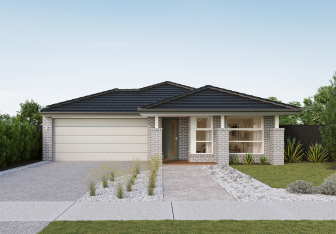
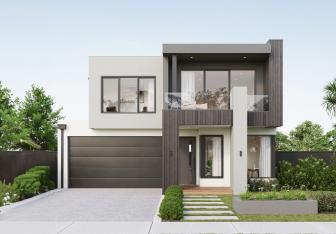
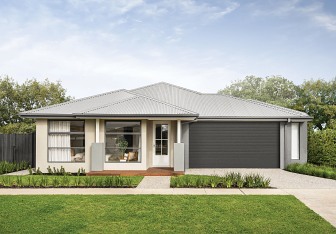
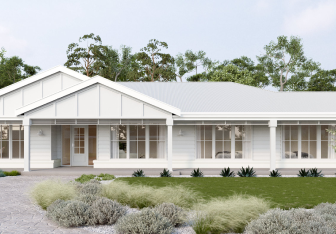
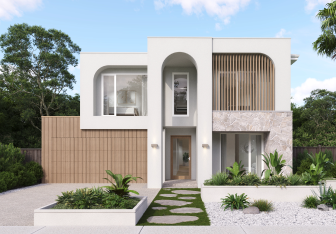
What Does 'True Turnkey' Mean in New House and Land Packages? Beyond Standard Inclusions

When you start comparing house and land packages, the word "turnkey" sounds like the simplest solution. Choose your land, choose your home, complete the building process, receive the keys to a home that's ready to live in.
But there’s an important question first: what does “turnkey” actually include? Not every builder uses the term the same way. One package may include a completed home but leave you responsible for a driveway, fencing, landscaping, window furnishings or a clothesline. Another may include many of these practical essentials, helping you move in straight away with fewer additional expenses and projects to organise..
For estate package seekers, understanding this difference is critical. A package that looks affordable at first can require thousands of dollars in additional spending after handover, while a slightly higher-priced package can provide substantially more value if it includes the external works and everyday essentials you'd otherwise have to arrange yourself. Look beyond the advertised package price and investigate exactly what's included.
What Does "True Turnkey" Mean?
A true turnkey house and land package is designed to give you a home that's substantially ready for occupation when construction is complete. The exact definition varies between builders and contracts, so always check the written inclusions rather than relying solely on the word "turnkey."
A genuinely move-in-ready package includes not just the construction of the home, but practical external and internal features you need for everyday living, everything from flooring and kitchen cabinetry through to the driveway, fencing, turf and clothesline. We've listed the full checklist we work to further down this guide.
The key is simple: don't ask whether a package is called turnkey, ask what you actually receive. A detailed inclusions schedule should make it possible to understand what's included, what's excluded, and what may cost extra.
Why Basic Builder Packages Can Leave You With Extra Costs
A new home can be technically complete without being completely ready for everyday life. Imagine receiving the keys to your new property and discovering you still need to organise the driveway, fencing, blinds, landscaping and clothesline. The building itself may be finished, but you could still have several trades to coordinate and thousands of dollars in additional expenses to manage, particularly hard if you've already used most of your savings for the deposit, settlement and other upfront costs.
This is especially relevant for buyers purchasing in new estates. A package can look attractive because of its headline price, but the final cost of getting the property fully ready to live in can be considerably higher. The right question isn't "how much does the package cost?" It's "how much will I need to spend before I can comfortably move in?"
What Is Included in a Turnkey House and Land Package?
When comparing new home and land packages, work through the practical features you expect to receive.
Driveway
The driveway is one of the most obvious external features of a completed property, but it's not necessarily included in every package. Ask whether the driveway is included and what finish is specified, and check whether the crossover is included and whether any council or estate requirements create additional costs. A driveway is a significant expense if it needs to be arranged separately after handover.
Front Path
A front path connects the driveway and street access with the home's entrance. It may seem like a minor detail when choosing a home, but it's part of what makes the property functional from the day you move in. Ask whether it's included and what materials or finishes are specified.
Perimeter Fencing
Fencing can be another substantial post-handover cost. Don't just look for the word "fencing," ask which boundaries are included, whether side and rear fences and gates are covered, what type of fencing is provided, whether retaining walls are included, and whether there are estate-specific fencing requirements. The exact requirements depend on the block and development.
Turf and Landscaping
A completed home surrounded by bare soil may still need significant work before it feels finished. Check whether the package includes front landscaping, turf, garden beds, plants, mulching, basic preparation and other external finishing, the amount provided varies considerably between packages.
Clothesline
A small feature, but an everyday household essential. If it's excluded, you'll need to purchase and install one after handover, and for buyers specifically seeking a move-in-ready home, small practical inclusions like this make a noticeable difference.
Letterbox
Easy to overlook when comparing packages. It may not represent a large expense, but having these everyday essentials completed before handover contributes to the overall meaning of "move-in ready."
Window Furnishings
Particularly important because a newly completed home can otherwise lack privacy and effective light control. Ask whether the package includes blinds, curtains, roller blinds, privacy treatments and window coverings throughout the home. If these are excluded, estimate the cost of supplying and installing them after handover.
True Turnkey vs Basic Builder Package
(Comparison table unchanged, no edits needed here.)
This comparison highlights why you should never assume every "turnkey" package provides the same level of completion. The written inclusions are what matter.
Why the Headline Price Doesn't Tell the Whole Story
Imagine two hypothetical packages. Package A is advertised at $650,000 and includes the completed home and standard internal finishes, but you'd need to separately arrange the driveway, fencing, turf, clothesline, letterbox and window furnishings. Package B is advertised at $670,000 and includes the completed home plus the major external and practical items needed for move-in readiness.
At first glance, Package A looks $20,000 cheaper. But if you later spend $20,000 or more completing the excluded items, that apparent price difference disappears. Comparing the headline price alone can produce a misleading result, the better approach is calculating the realistic cost of getting the home ready to live in.
Look Beyond the House Itself
When buyers look at land and home packages, they naturally focus on the house: how many bedrooms, is the kitchen large enough, does the floor plan suit the family, is there enough storage. These questions matter, but the land component needs careful consideration too, block size, frontage, orientation, slope, estate requirements, landscaping and fencing requirements, driveway requirements, retaining walls and access to services all affect the overall cost of a new home. A package advertised at a particular price should be evaluated in the context of the individual block and the works required to complete it.
Don't Forget Site Costs
Turnkey discussions sometimes focus heavily on visible finishing items, but you should also understand site-related costs. Depending on the property, these can include soil conditions, site preparation, sloping land, rock removal, retaining walls, drainage, service connections, engineering requirements, council and estate requirements, and bushfire-related requirements where applicable. Some costs may be included in the building contract, others may depend on the specific site, ask your builder to explain the assumptions behind the advertised package price and whether it's subject to any site-specific adjustments. The more clearly you understand these costs before signing, the easier it is to plan your overall budget.
Fixed Pricing Can Provide Greater Budget Visibility
Turnkey and fixed-price arrangements solve different problems. Turnkey is primarily about what's completed and included. Fixed pricing is primarily about having an agreed price for the defined scope of work, subject to the contract's terms, exclusions, variations and conditions. Having both clearly defined gives you greater confidence when planning the total cost of the project.
Never assume "fixed price" means every possible expense is automatically included. Before signing, review the building contract terms, inclusions, exclusions, site costs, allowances, provisional sums, variations, government charges, developer requirements and optional upgrades. Seek appropriate independent advice too, the HIA consumer advice resources are a useful reference for residential building and purchasing decisions. Understanding the contract before committing is one of the most effective ways to reduce unpleasant financial surprises later.
Ask for a Detailed Inclusions Schedule
When you're ready to buy a house and land package, ask for a detailed inclusions schedule that clearly identifies what's included (features and works provided as part of the package), excluded (items you'll need to arrange and pay for separately), optional (features available at an additional cost), and site-specific (items that may depend on the individual block or estate).
This distinction matters most when comparing different builders. Two packages with similar advertised prices can have very different levels of inclusions, and a detailed schedule lets you compare the actual value rather than relying on marketing language.
Compare the Complete Standard Inclusions
Before deciding which package represents better value, review the builder's inclusions in detail, from internal features like flooring, cabinetry and appliances through to external items like the driveway, fencing and landscaping (see the full checklist earlier and at the end of this guide). The difference between packages often becomes much clearer once you compare these details side by side.
Review Sherridon's complete standard inclusions so you understand what's provided and what may need additional investment, giving you a stronger basis for comparing packages on a like-for-like basis.
Visit a Display Home Before Choosing Your Package
A floor plan shows you the dimensions of a room, but it can't fully communicate how the home feels when you walk through it. Visiting a display home lets you assess room proportions, kitchen functionality, storage, natural light, flooring, fixtures, window placement, bathroom layouts, living spaces, outdoor connections and overall flow, and see the quality of finishes in person rather than relying solely on photographs.
If you're comparing different designs, tour display homes near you and experience the layouts before deciding which package best suits your needs. A display-home visit also helps you identify which upgrades are genuinely important and which features you can comfortably leave out.
Define Your Own Meaning of "Move-In Ready"
There's no single checklist that suits every buyer. For one family, move-in ready may simply mean the house, driveway and fencing are complete. Another buyer may expect turf, landscaping, blinds and window furnishings as well.
Before comparing packages, write down everything you expect completed before you receive the keys, using the full checklist below as your starting point, then compare it against the builder's written inclusions. This simple exercise reveals significant differences between packages that initially appear very similar.
How to Compare Turnkey House and Land Packages
Use a consistent process:
- Compare the land – location, block dimensions, frontage, orientation, slope, estate requirements
- Compare the home design – bedrooms, bathrooms, living areas, storage, functionality
- Compare internal inclusions – flooring, cabinetry, appliances, heating, cooling, lighting, bathroom specifications
- Compare external inclusions – driveways, paths, fencing, gates, turf, landscaping, clotheslines, letterboxes, window furnishings
- Review site costs – does the package price include the likely site-related work for your block?
- Review exclusions – everything you'll need to purchase or organise separately
- Calculate your post-handover costs – ask yourself: how much money will I need after receiving the keys before I can comfortably move into the property?
That last question is one of the most useful you can ask when comparing turnkey packages.
Why True Turnkey Can Be Valuable for Estate Package Seekers
For many estate buyers, the goal is straightforward: buy the land, build the home, and move in without a long list of unfinished projects. True turnkey packages make that process more convenient by addressing many of the practical details that would otherwise need organising after handover, instead of spending the first few weeks arranging fencing, landscaping and window furnishings, you get to focus on moving in.
There's a budgeting advantage too, when more of the required work is identified and priced before construction begins, you can plan your finances with greater confidence. That doesn't mean spending every dollar available though, maintaining an appropriate financial buffer remains important for any major property purchase.
What Is Included in a Turnkey House and Land Package? Quick Checklist
When evaluating a package, ask whether it includes:
- Land and completed home construction
- Flooring, kitchen and appliances
- Bathroom fixtures, heating and cooling, lighting
- Driveway, front path, perimeter fencing and gates
- Turf and landscaping
- Clothesline and letterbox
- Window furnishings
- External finishing and required site works
- Service connections and applicable estate requirements
Not every package includes every item, the purpose of this checklist is making sure you know exactly what you're comparing.
Don't Choose a Package Based on Price Alone
A low advertised price is attractive, especially when you're working within a strict borrowing limit, but the lowest package price doesn't necessarily represent the lowest overall cost. If one package excludes $20,000 or more in practical finishing work, you may end up spending considerably more after handover.
This is why the best comparison isn't Package A at $650,000 versus Package B at $670,000. Instead, compare the total cost to receive a completed, functional and move-in-ready home, land, construction, inclusions, site costs, external works, upgrades and post-handover requirements all included. That gives you a much more realistic picture of value.
Choose a Package That Matches Your Expectations
A new home should be more than a completed building. For buyers wanting a genuinely convenient purchasing experience, the ideal package provides clarity around the land, home, inclusions, construction costs and expected finishing works, particularly important for estate package seekers who may not have the time, experience or budget to manage several additional projects after handover.
A true turnkey approach aims to close the gap between "the builder has finished construction" and "I can move into my new home." That distinction is what makes turnkey worth investigating.
Find Move-In Ready Turnkey House & Land Packages Today
If you're considering a new home, don't stop at the advertised package price. Ask what's included, what's excluded, and what you'll need to spend after handover. Check the driveway, fencing, landscaping, turf, clothesline, letterbox and window furnishings, review the site costs and contract terms, then compare the complete package against other options.
We offer a range of house and land packages across Melbourne and regional Victoria. Explore our turnkey house and land packages and compare available locations and home designs, and take the time to understand what each package delivers before making your decision.
The right package should give you more than a new house; it should give you a clear pathway to a home that’s ready to live in, with fewer unexpected jobs and expenses waiting for you after handover. Not all house and land packages are turnkey, so speak with our team, visit a display home or explore our house and land packages to find an option that suits your needs.


